

Hüsker Dü
DA
You always scream when I hit a nerve.You keep raising YOUR hand.

You always scream when I hit a nerve.You keep raising YOUR hand.

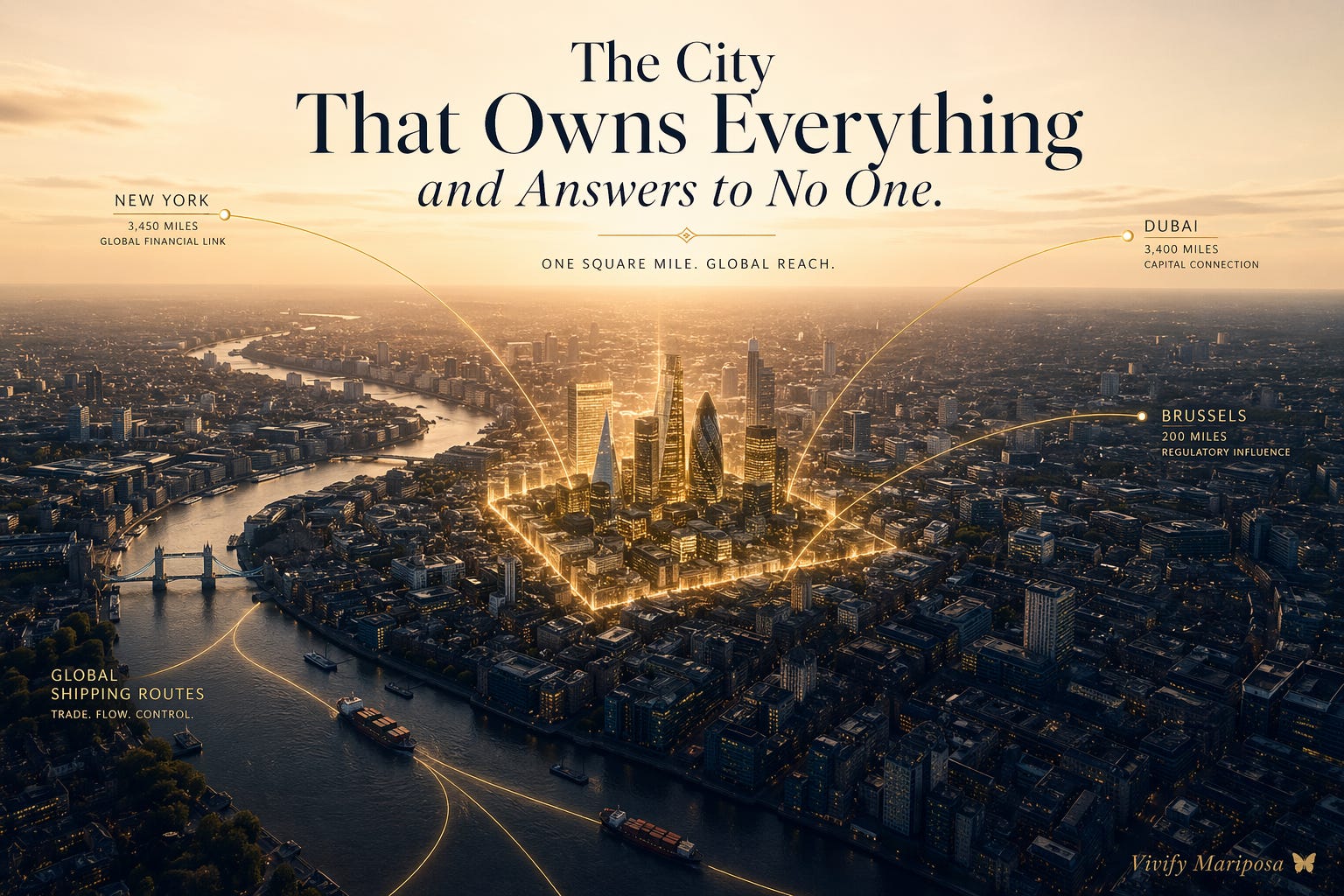
The Lesson They Learned
Before the City of London became invisible, there was a family that was not.
The Rothschild family financed the British government’s war against Napoleon. Supplied Wellington’s armies with gold when the Crown could not. In 1825, when the Bank of England ran so low on gold it was days from collapse, a private family bailed it out. The institution that was supposed to control the national currency needed a private family to keep it alive.
The Rothschild name was on every transaction. Every government loan. Every subsidy to every army. Every bond issued for every war. Their couriers moved faster than governments. Their information network beat every intelligence service in Europe.
And that visibility destroyed them.
A British MP stood in Parliament in 1828 and named Nathan Rothschild directly as the man who controlled European credit and could determine war or peace. The name was in pamphlets. In newspapers. In political speeches. In propaganda.
When you have a name, you have a target.
The Rothschild hegemony over European finance broke in the 1870s. Not because they ran out of money. Because the system learned to replicate their function without them. Central banks took over what private banking dynasties had done. The function survived. The family did not.
The City of London absorbed that lesson completely.
No family name. No founder. No face. A charter from 1067. No single person to blame. No face to put on a pamphlet. And 800 years of accumulated wealth in a private fund that no transparency law has ever touched.
The Rothschilds were the visible hand.
The City learned to have no hand at all.
The Architecture of Invisibility
The City of London Corporation runs on a structure that no democracy would design and no democracy has been able to dismantle.
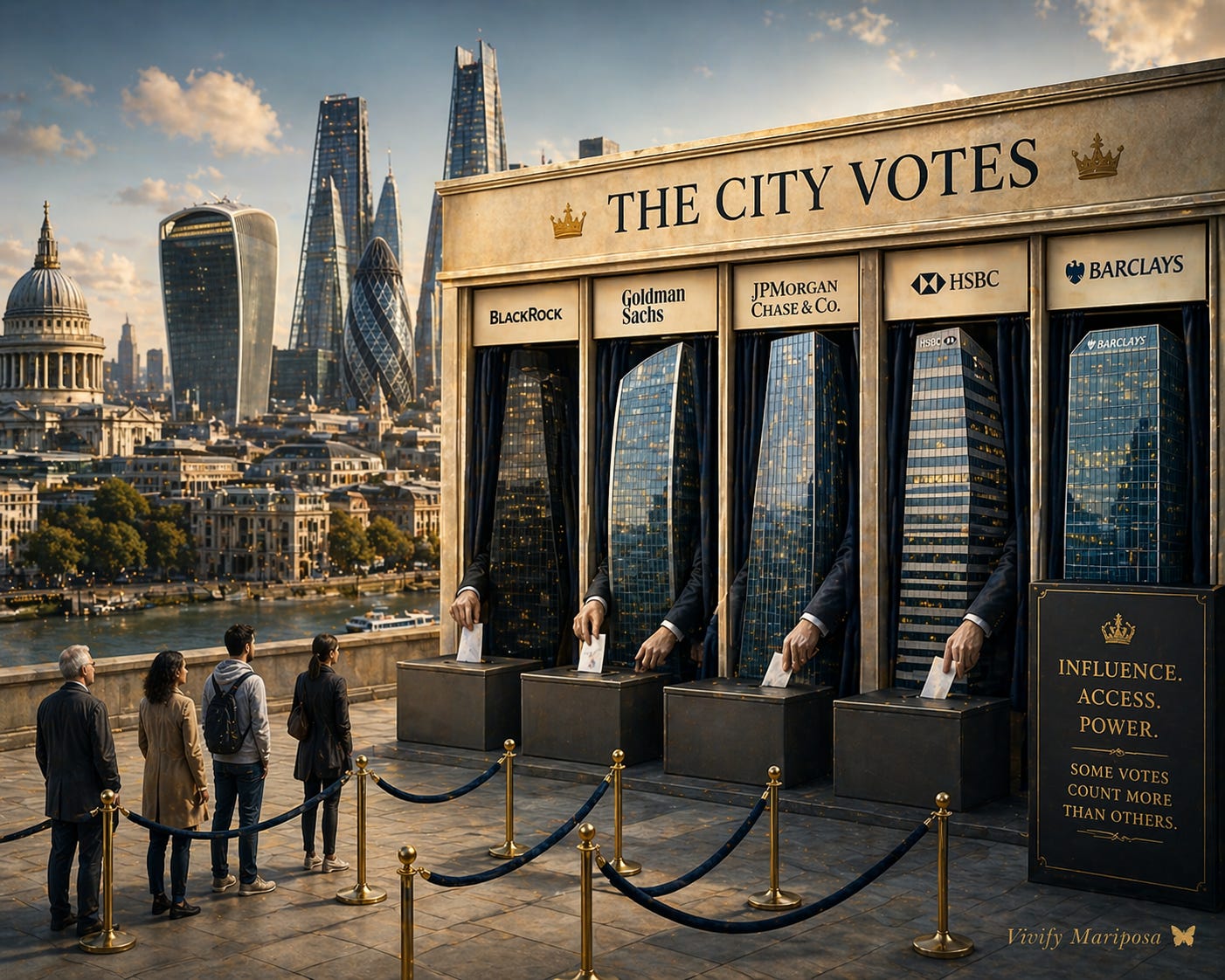
Corporations vote in its elections. Prior to 2002, businesses held 17,000 votes. A legal change expanded this to 32,000 votes and granted voting rights to international and multinational corporations. The people who live in the Square Mile are outvoted by the companies registered there. The Lord Mayor is required to contribute from their own personal finances to the costs of the mayoral year. Only the wealthiest can afford to run.
All candidates stand as independents. No political party. No platform. No accountability to voters.
The Corporation’s primary fund, the City’s Cash, is 800 years old. Not subject to transparency laws. In a single year it spent £3.9 million shaping legislation in Westminster, Whitehall and Brussels. Nobody voted on that. Nobody approved it. Nobody could even request the details.
When investigators asked for records, the Corporation responded: “The information that you have requested is outside the scope of the Freedom of Information Act. All costs for the Mayoralty are provided through non-public funds.”
The Rothschilds had to answer to pamphlets.
The City does not answer at all.
The Lesson They Learned
Before the City of London became invisible, there was a family that was not.
The Rothschild family financed the British government’s war against Napoleon. Supplied Wellington’s armies with gold when the Crown could not. In 1825, when the Bank of England ran so low on gold it was days from collapse, a private family bailed it out. The institution that was supposed to control the national currency needed a private family to keep it alive.
The Rothschild name was on every transaction. Every government loan. Every subsidy to every army. Every bond issued for every war. Their couriers moved faster than governments. Their information network beat every intelligence service in Europe.
And that visibility destroyed them.
A British MP stood in Parliament in 1828 and named Nathan Rothschild directly as the man who controlled European credit and could determine war or peace. The name was in pamphlets. In newspapers. In political speeches. In propaganda.
When you have a name, you have a target.
The Rothschild hegemony over European finance broke in the 1870s. Not because they ran out of money. Because the system learned to replicate their function without them. Central banks took over what private banking dynasties had done. The function survived. The family did not.
The City of London absorbed that lesson completely.
No family name. No founder. No face. A charter from 1067. No single person to blame. No face to put on a pamphlet. And 800 years of accumulated wealth in a private fund that no transparency law has ever touched.
The Rothschilds were the visible hand.
The City learned to have no hand at all.
The Architecture of Invisibility
The City of London Corporation runs on a structure that no democracy would design and no democracy has been able to dismantle.
Corporations vote in its elections. Prior to 2002, businesses held 17,000 votes. A legal change expanded this to 32,000 votes and granted voting rights to international and multinational corporations. The people who live in the Square Mile are outvoted by the companies registered there. The Lord Mayor is required to contribute from their own personal finances to the costs of the mayoral year. Only the wealthiest can afford to run.
All candidates stand as independents. No political party. No platform. No accountability to voters.
The Corporation’s primary fund, the City’s Cash, is 800 years old. Not subject to transparency laws. In a single year it spent £3.9 million shaping legislation in Westminster, Whitehall and Brussels. Nobody voted on that. Nobody approved it. Nobody could even request the details.
When investigators asked for records, the Corporation responded: “The information that you have requested is outside the scope of the Freedom of Information Act. All costs for the Mayoralty are provided through non-public funds.”
The Rothschilds had to answer to pamphlets.
The City does not answer at all.
That's your Chronic TDS and furuncles acting up..You always scream when I hit a nerve.
That's your Chronic TDS and furuncles acting up..
Stop screaming!Donald Trump hates America.
When your Governors commit fraud they don't get burned. Their constituents do.Although no one else democrat or republican would ever do this we know how loud maga idiots cry when the shoe is on the other foot.
View attachment 39624
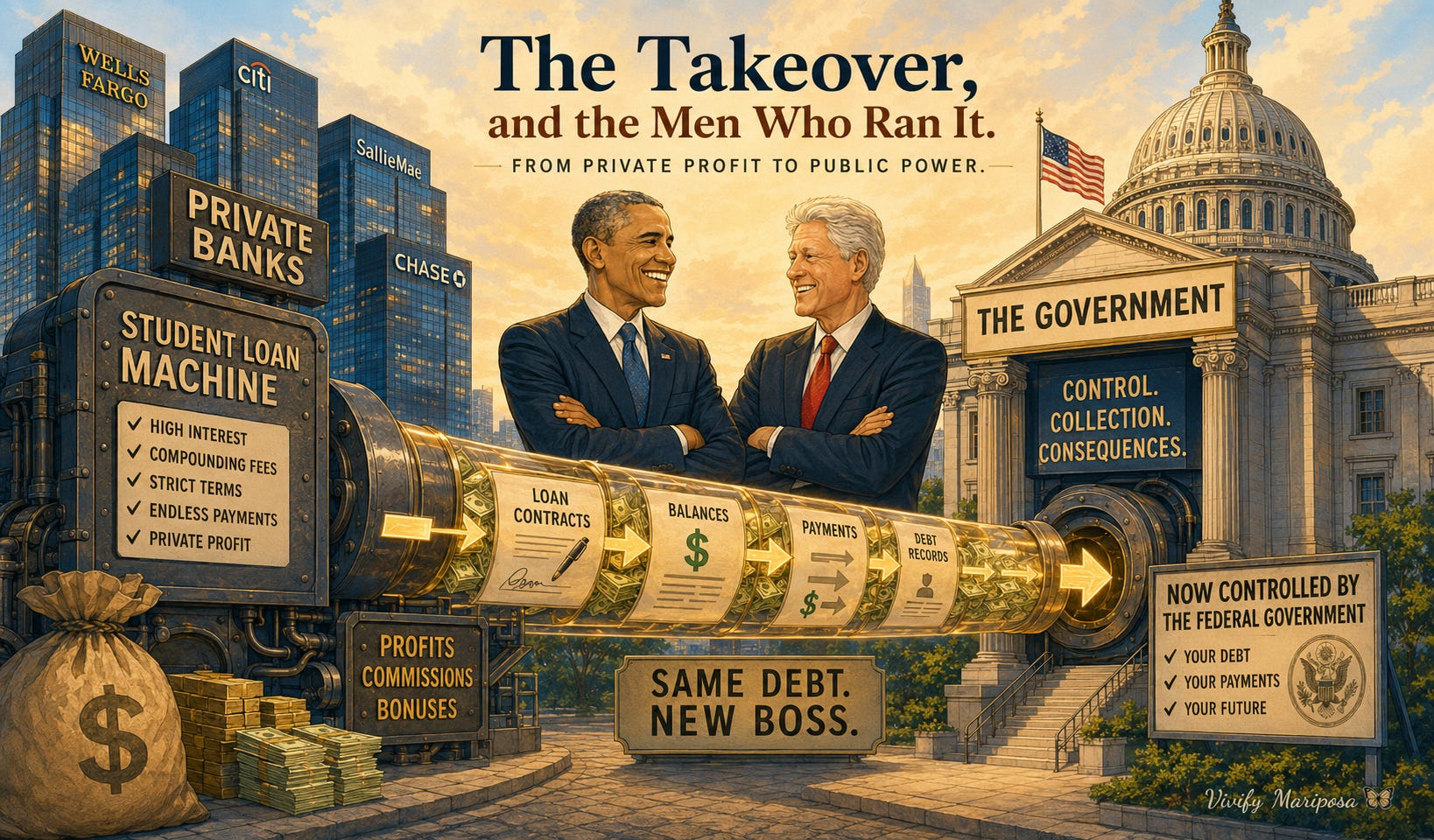
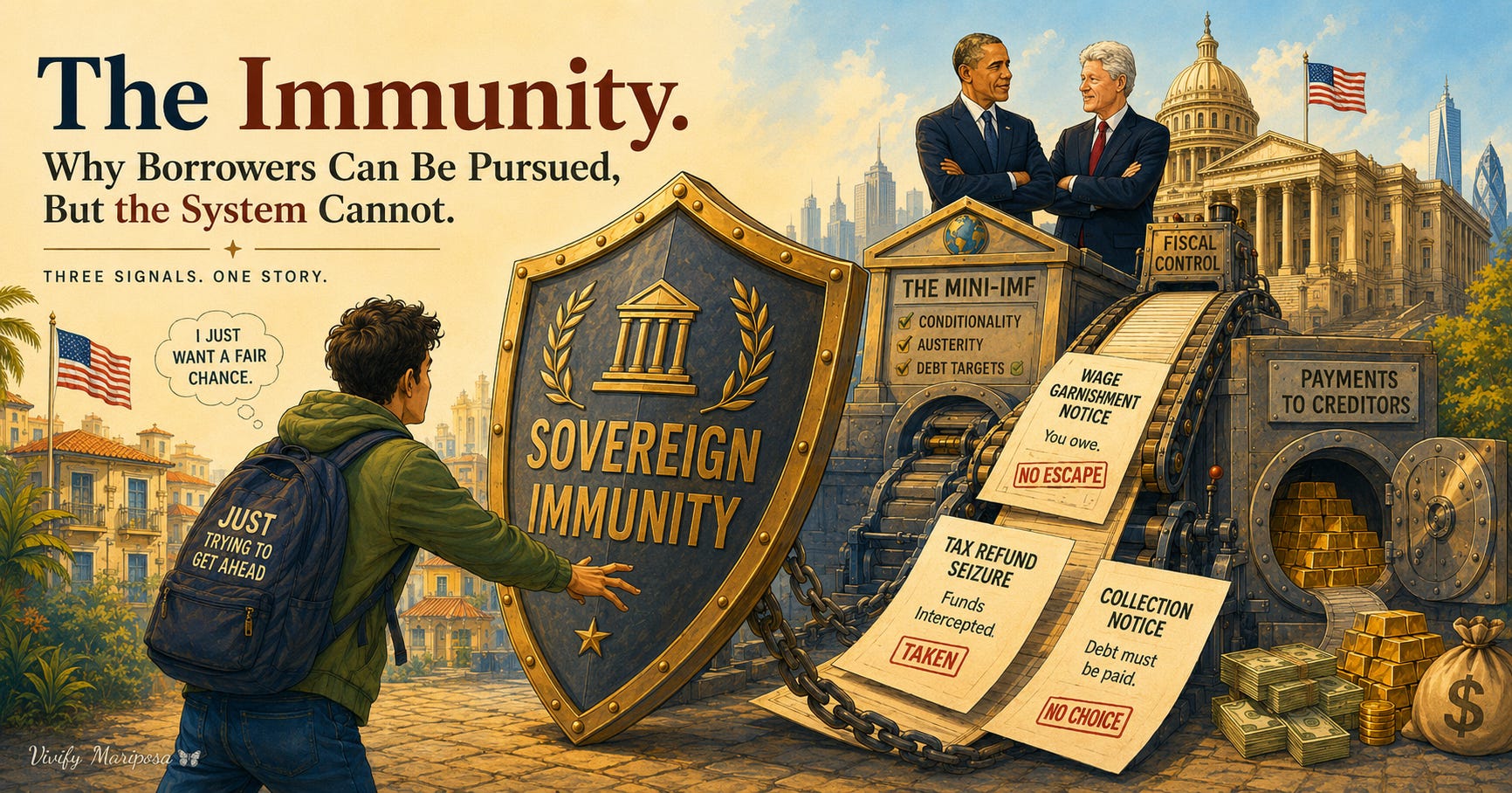
Corruption is a core value of the Left