

You are using an out of date browser. It may not display this or other websites correctly.
You should upgrade or use an alternative browser.
You should upgrade or use an alternative browser.
Today in Fascism
- Thread starter Hüsker Dü
- Start date


kickingandscreaming
PREMIER
Reality is stranger than fiction.
BREAKING Pedo News: "Lt. Matthew Mahl who was celebrated as the first openly gay chairman of D.C.’s police union, arrested on child sex crime charges for allegedly trying to meet up with who he thought was a 15-year-old boy for sexReality is stranger than fiction.
He’s also facing charges for solicitation of child porn." Lib
Reality is stranger than fiction.
kickingandscreaming
PREMIER
Have I mentioned there’s an epidemic of mental illness on the Left?
The next 13 days will blow your mind. I kmow 10 people who have left California. 10 great people with families. Here is breakdown.Have I mentioned there’s an epidemic of mental illness on the Left?
All make over $200k. Some white, some black, some latino and one asian.
4 are MAGA
2 are Independents
4 Walk Aways from the Dems. One fully converted to MAGA and the other 3 are Independents.
5 went to Texas.
1 AZ
1 NV
1 Bali (retired)
1 Fl
1 AK
Uhaul is rich anf CA lost really good people and their tax dollars.
Last edited:
kickingandscreaming
PREMIER
Dems are in trouble at midterms if any kind of voter ID is required.The next 13 days will blow your mind. I kmow 10 people who have left California. 10 great people with families. Here is breakdown.
All make over $200k. Some white, some black, some latino and one asian.
4 are MAGA
2 are Independents
4 Walk Aways from the Dems. One fully converted to MAGA and the other 3 are Independents.
5 went to Texas.
1 AZ
1 NV
1 Bali (retired)
1 Fl
1 AK
Uhaul is rich anf CA lost really good people and their tax dollars.
100%. Plus, no mail in cheatingDems are in trouble at midterms if any kind of voter ID is required.
Today, an Iranian-flagged cargo ship named TOUSKA, nearly 900 feet long and weighing almost as much as an aircraft carrier, tried to get past our Naval Blockade, and it did not go well for them. The U.S. Navy Guided Missile Destroyer USS SPRUANCE intercepted the TOUSKA in the Gulf of Oman, and gave them fair warning to stop. The Iranian crew refused to listen, so our Navy ship stopped them right in their tracks by blowing a hole in the engineroom. Right now, U.S. Marines have custody of the vessel. The TOUSKA is under U.S. Treasury Sanctions because of their prior history of illegal activity. We have full custody of the ship, and are seeing what’s on board! President DONALD J. TRUMP
Some are certainly lacking coping skills.Have I mentioned there’s an epidemic of mental illness on the Left?
You already helped me make my point. Yet here you are..still covering the same ground...andBut of course you haven’t made any relevant point. Please continue.
helping me make my point. Again. Your turn.

Hüsker Dü
DA
Hill country in Texas is nice, damn good bbq. I know half a dozen who moved to Idaho and love it there. But you are 100% on wanting to keep a place in Cali . . . once you leave you can’t (financially) come back.Pretty much waiting for the kids. I have one graduating college and moving back home from Utah and one going to a UC in the fall. So I will hang around a few more years, but will always maintain a 2nd home here. San Diego is awesome, it just makes more financial sense to retire in other states.
Haven't spent a ton of time in Texas, but the people are lovely, just too far from the mountains for me. Good luck!
kickingandscreaming
PREMIER
Oh, the unintended irony of the TDS addled.

Artemis II commander Reid Wiseman has released photo from his IPhone
My question in my brain: Where are the stars?
“Only one chance in this time,” Wiseman wrote. “Like watching sunset at the beach from the most foreign seat in the cosmos, I couldn’t resist a cell phone video of Earthset.”
“I could barely see the Moon through the docking hatch window but the iPhone was the perfect size to catch the view,” he continued.
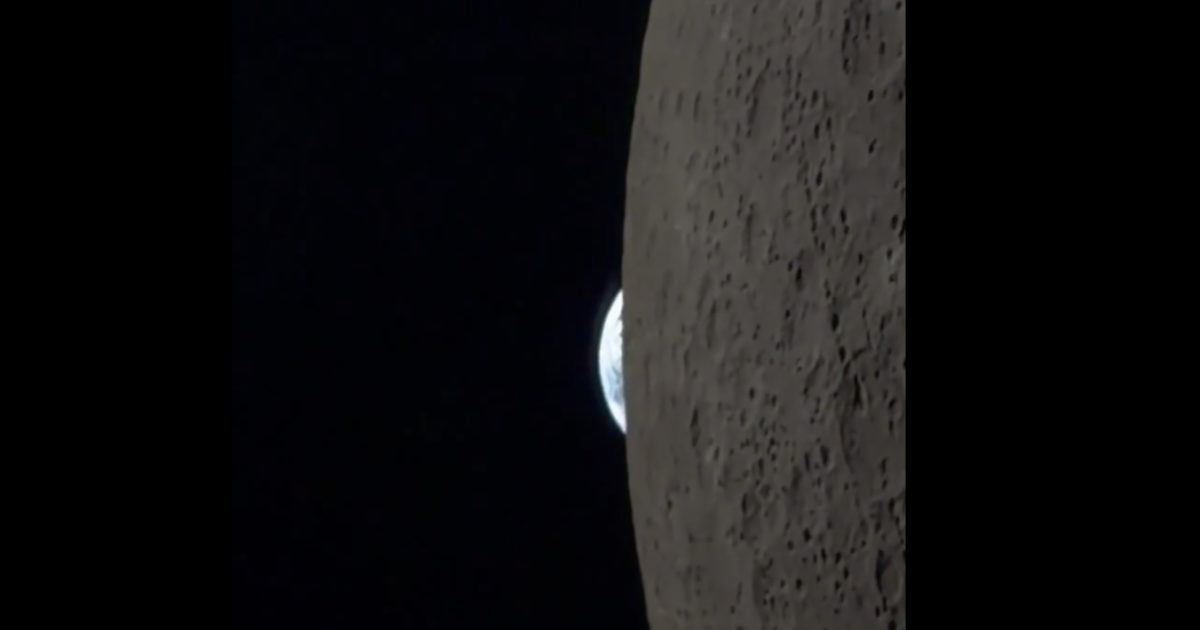
My question in my brain: Where are the stars?
“Only one chance in this time,” Wiseman wrote. “Like watching sunset at the beach from the most foreign seat in the cosmos, I couldn’t resist a cell phone video of Earthset.”
“I could barely see the Moon through the docking hatch window but the iPhone was the perfect size to catch the view,” he continued.
Correction. The news now reported he was shot and killed. Good.I think this POS got away.
Hüsker Dü
DA
A new psychology study is officially naming something many have observed for years: when Trump supporters encounter information that challenges their view of Trump, they often don't change their beliefs. Instead, they change their perception of reality.
This is the main finding from three studies published together in the Journal of Social and Political Psychology. In the first, more than half of 128 Trump supporters rejected sexual misconduct allegations against him. In the second, conducted after his first impeachment, most of 173 supporters either denied the Ukraine accusations or rationalized them, with about 15 percent saying they simply didn't care. In the third, after his January 6 case, roughly 60 percent of 187 participants called the charges fabricated. (JSPP)
The key point is not just “haha, feelings over facts.” It’s more troubling than that. The researchers suggest this resembles cognitive dissonance: the discomfort of holding two conflicting ideas at once, then resolving it by protecting one’s identity instead of following the evidence. Study author Cindy Harmon-Jones said she wanted to understand why support remained so strong despite accusations of “sexual assault, corruption, and other immoral and illegal activities.” (PsyPost - Psychology News)
And from a Canadian perspective, this matters because we often treat Trumpism as just louder conservatism with poorer manners. It’s not. It’s a political culture that can process scandal by transforming it into tribal loyalty.
That’s why each new allegation often changes nothing.
It’s not that the information doesn’t arrive.
It’s that, for many supporters, identity comes first.
And once identity takes the lead, facts are just along for the ride.
— Marcus | The Headline Lab
This is the main finding from three studies published together in the Journal of Social and Political Psychology. In the first, more than half of 128 Trump supporters rejected sexual misconduct allegations against him. In the second, conducted after his first impeachment, most of 173 supporters either denied the Ukraine accusations or rationalized them, with about 15 percent saying they simply didn't care. In the third, after his January 6 case, roughly 60 percent of 187 participants called the charges fabricated. (JSPP)
The key point is not just “haha, feelings over facts.” It’s more troubling than that. The researchers suggest this resembles cognitive dissonance: the discomfort of holding two conflicting ideas at once, then resolving it by protecting one’s identity instead of following the evidence. Study author Cindy Harmon-Jones said she wanted to understand why support remained so strong despite accusations of “sexual assault, corruption, and other immoral and illegal activities.” (PsyPost - Psychology News)
And from a Canadian perspective, this matters because we often treat Trumpism as just louder conservatism with poorer manners. It’s not. It’s a political culture that can process scandal by transforming it into tribal loyalty.
That’s why each new allegation often changes nothing.
It’s not that the information doesn’t arrive.
It’s that, for many supporters, identity comes first.
And once identity takes the lead, facts are just along for the ride.
— Marcus | The Headline Lab