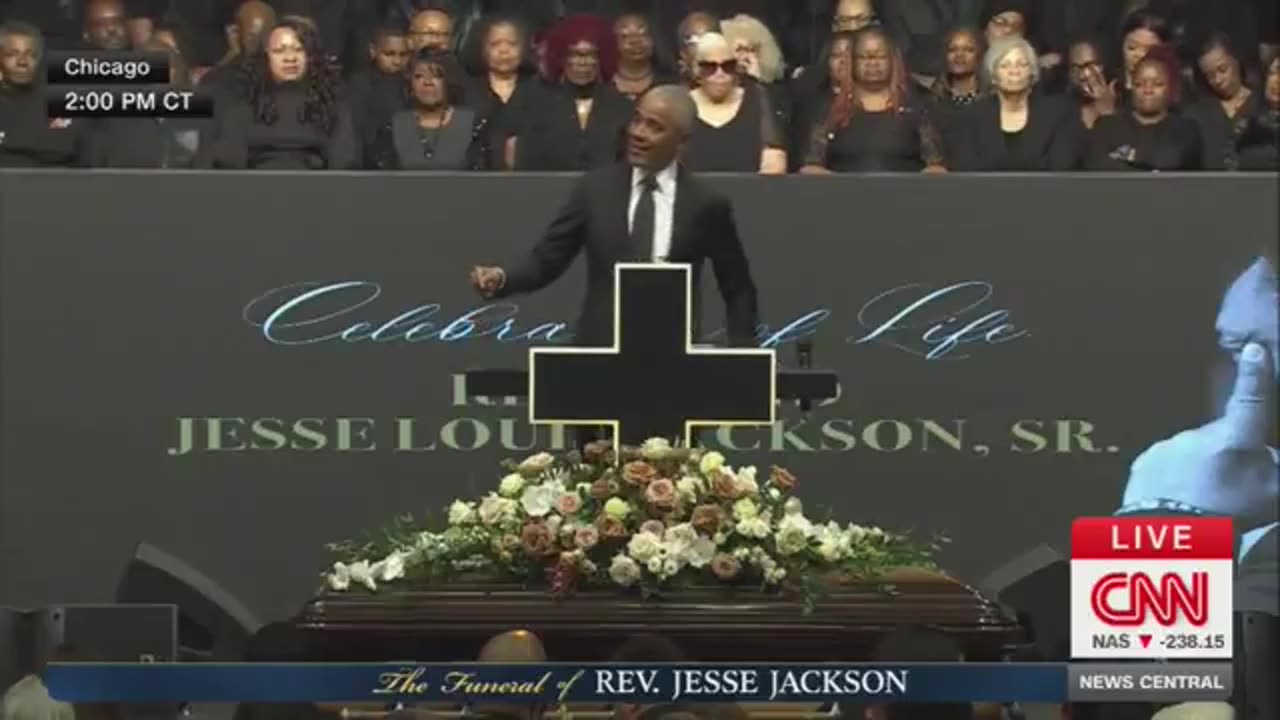
Clinical progress?

You are using an out of date browser. It may not display this or other websites correctly.
You should upgrade or use an alternative browser.
You should upgrade or use an alternative browser.
Today in Fascism
- Thread starter Hüsker Dü
- Start date


Its insane how these morons let these people out after they est human eyeballs and brain. I mean, its the party of Pedos and eating the kids after abusing them.Breathtaking delusion.
kickingandscreaming
PREMIER
Looks like lil e and du du are still “WINNING”!

The biggest bomb today has been my stocks.
kickingandscreaming
PREMIER

kickingandscreaming
PREMIER
Buying opportunityThe biggest bomb today has been my stocks.
kickingandscreaming
PREMIER
No James, they are not.

kickingandscreaming
PREMIER
Victory is coming lil e and du du!

kickingandscreaming
PREMIER
Sharp as a tack
kickingandscreaming
PREMIER
Life happens FAST!


kickingandscreaming
PREMIER
The Left is so depraved.


Hüsker Dü
DA
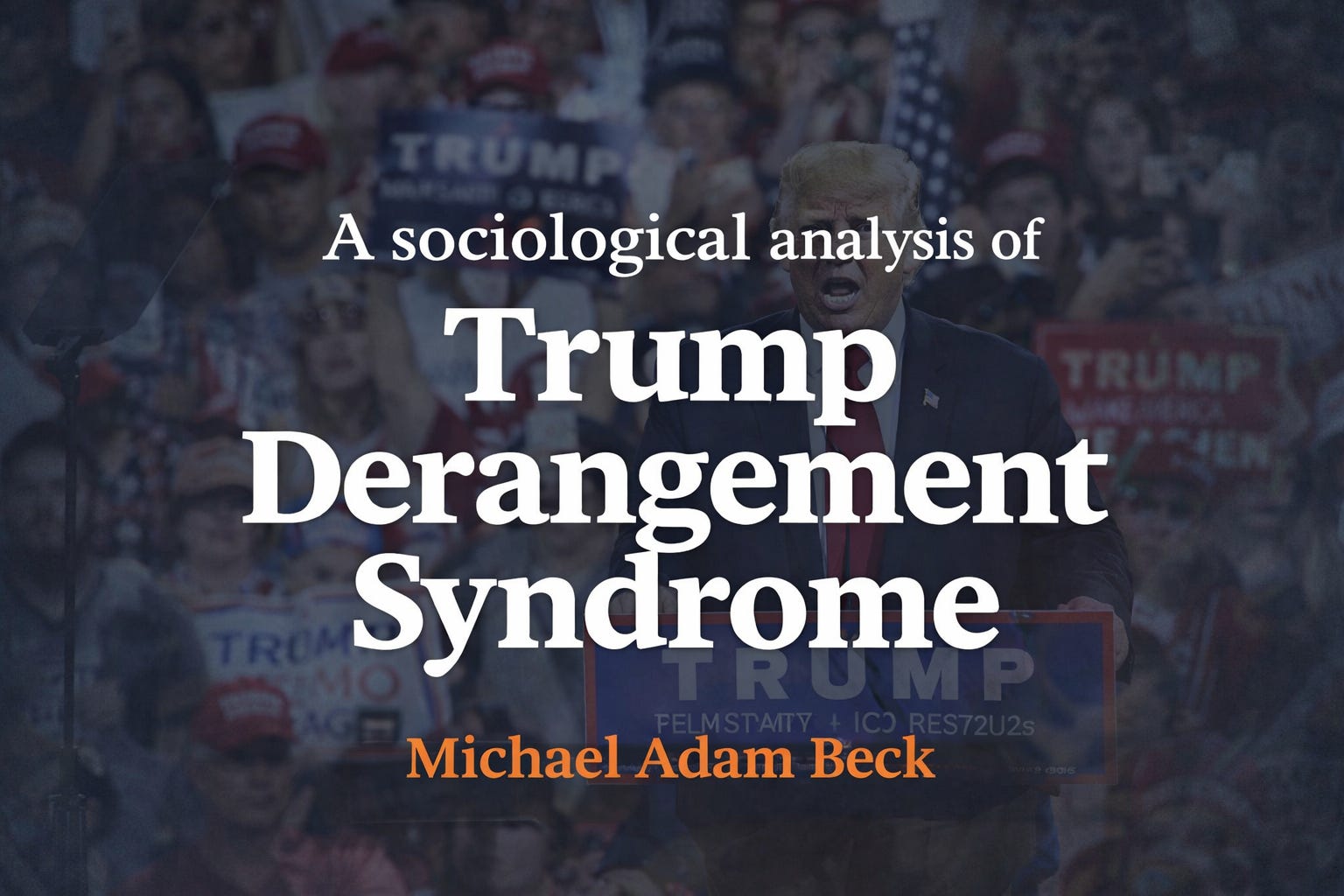
Trump Derangement Syndrome Is Real, But Probably Not What You Think
If you’ve ever been publicly critical of Donald Trump, you’ve probably been accused of “Trump Derangement Syndrome” by his followers. But what if that phrase actually reveals more about the movement using it than the people it’s aimed at?
A peer-reviewed study by Franks and Hesami (2021) set out to test this exact claim: that critics of Trump suffer from an irrational hostility that prevents objective thinking, “TDS.” Across multiple experiments, the researchers examined whether political bias toward Trump is symmetrical, meaning, whether both supporters and critics distort information in similar ways.
Their findings suggest otherwise.
Trump’s detractors did not show consistent patterns of reflexive opposition. In fact, they tended to evaluate statements more independently of Trump’s involvement. By contrast, Trump supporters were significantly more likely to shift their views depending on whether they believed Trump held a particular position, even when that position contradicted their previous beliefs.
In one experiment, participants adjusted their stance on voting procedures depending on whether the outcome favored Trump, revealing a willingness to reinterpret even democratic norms in light of loyalty.
Yes, supporters would cheat in elections to get Trump back in office.
In other words, the evidence does not support the idea that critics are uniquely “deranged.” Instead, it points to an asymmetry of loyalty in supporters, where allegiance to the leader can outweigh consistency, evidence, and even previously held convictions.
That should give us pause.
Because “Trump Derangement Syndrome” is real, but not in the way it’s commonly used. It’s not primarily about people who are too critical. It’s about a system that trains people to dismiss critique altogether when it threatens loyalty.
When disagreement is labeled as derangement, you no longer have to engage the argument. You can ignore the evidence. You can protect the narrative.
Think of how we are watching this play out in real time. Donald Trump has been convicted on 34 felony counts in New York, and independent fact-checking organizations such as The Washington Post have documented tens of thousands of false or misleading claims during his public life. He has also been found liable for sexual abuse and defamation in civil court, and his name appears thousands of times in the Epstein Files, even after heavy redactions by his DOJ. Yet allegiance among his core supporters has remained remarkably stable.
And once that pattern takes hold, real derangement sets in. Truth is no longer something we test and evaluate in light of evidence. It becomes something we defend for our side. Facts are no longer evaluated on their merits; they are filtered through identity. If it helps our team, it’s true enough. If it challenges us, it must be biased, corrupt, or fake.
At that point, you’re no longer arguing about ideas. You’re protecting a distorted reality. That’s why fact-checking so often fails. It assumes people are asking, Is this true? But in many cases, the deeper question has already been decided: Is this loyal?
And when loyalty becomes the standard, truth becomes negotiable.
This is not just a political problem. It’s a spiritual one.
Because the call of Jesus is not to align ourselves with a leader no matter what, but to “test the spirits,” to discern what is true, what is just, what is good. It requires the courage to follow truth even when it costs us, even when it challenges our tribe, even when it disrupts our sense of certainty.
This is the real derangement. And it is dangerous.
 substack.com
If you’ve ever been publicly critical of Donald Trump, you’ve probably been accused of “Trump Derangement Syndrome” by his followers. But what if that phrase actually reveals more about the movement using it than the people it’s aimed at?
A peer-reviewed study by Franks and Hesami (2021) set out to test this exact claim: that critics of Trump suffer from an irrational hostility that prevents objective thinking, “TDS.” Across multiple experiments, the researchers examined whether political bias toward Trump is symmetrical, meaning, whether both supporters and critics distort information in similar ways.
Their findings suggest otherwise.
Trump’s detractors did not show consistent patterns of reflexive opposition. In fact, they tended to evaluate statements more independently of Trump’s involvement. By contrast, Trump supporters were significantly more likely to shift their views depending on whether they believed Trump held a particular position, even when that position contradicted their previous beliefs.
In one experiment, participants adjusted their stance on voting procedures depending on whether the outcome favored Trump, revealing a willingness to reinterpret even democratic norms in light of loyalty.
Yes, supporters would cheat in elections to get Trump back in office.
In other words, the evidence does not support the idea that critics are uniquely “deranged.” Instead, it points to an asymmetry of loyalty in supporters, where allegiance to the leader can outweigh consistency, evidence, and even previously held convictions.
That should give us pause.
Because “Trump Derangement Syndrome” is real, but not in the way it’s commonly used. It’s not primarily about people who are too critical. It’s about a system that trains people to dismiss critique altogether when it threatens loyalty.
When disagreement is labeled as derangement, you no longer have to engage the argument. You can ignore the evidence. You can protect the narrative.
Think of how we are watching this play out in real time. Donald Trump has been convicted on 34 felony counts in New York, and independent fact-checking organizations such as The Washington Post have documented tens of thousands of false or misleading claims during his public life. He has also been found liable for sexual abuse and defamation in civil court, and his name appears thousands of times in the Epstein Files, even after heavy redactions by his DOJ. Yet allegiance among his core supporters has remained remarkably stable.
And once that pattern takes hold, real derangement sets in. Truth is no longer something we test and evaluate in light of evidence. It becomes something we defend for our side. Facts are no longer evaluated on their merits; they are filtered through identity. If it helps our team, it’s true enough. If it challenges us, it must be biased, corrupt, or fake.
At that point, you’re no longer arguing about ideas. You’re protecting a distorted reality. That’s why fact-checking so often fails. It assumes people are asking, Is this true? But in many cases, the deeper question has already been decided: Is this loyal?
And when loyalty becomes the standard, truth becomes negotiable.
This is not just a political problem. It’s a spiritual one.
Because the call of Jesus is not to align ourselves with a leader no matter what, but to “test the spirits,” to discern what is true, what is just, what is good. It requires the courage to follow truth even when it costs us, even when it challenges our tribe, even when it disrupts our sense of certainty.
This is the real derangement. And it is dangerous.
Michael Adam Beck (@reverendwild1)
Trump Derangement Syndrome Is Real, But Probably Not What You Think If you’ve ever been publicly critical of Donald Trump, you’ve probably been accused of “Trump Derangement Syndrome” by his followers. But what if that phrase actually reveals more about the movement using it than the people...
substack.com
Listen to Pastor Obama